| 概述 |
|
|
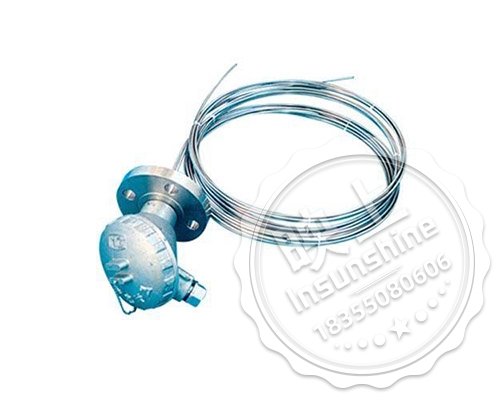
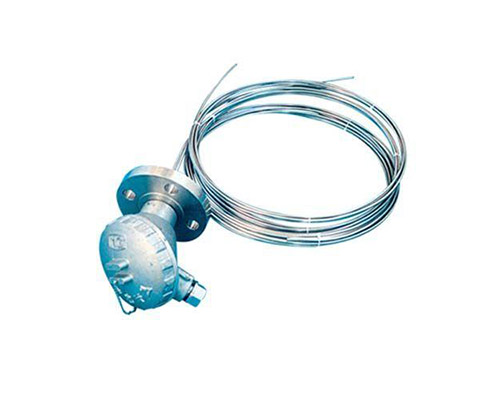
Armored platinum resistance as a temperature sensor, it is smaller in diameter than assembled platinum resistance, easy to bend, suitable for installation in narrow pipelines and requirements for rapid response, miniaturization and other special occasions. The temperature range of -200 ~ 600 ℃ gas, liquid media and solid surfaces for automatic detection, and can be directly connected to the use of copper wires and secondary instrumentation, because it has a good electrical output characteristics, can be for the display, recorder, regulator, scanner, data logger and computer to provide accurate input values. Armored resistor outer protection tube using stainless steel, filled with high-density oxide material insulator, so it has a strong anti-pollution and excellent mechanical strength, suitable for installation in harsh environments. Armored platinum resistance usually consists of armored platinum RTD sensing element, mounting fixtures and wiring devices and other major components.
|
|
|
|
specificities |
|
|
-Less thermal response time, reducing dynamic errors; -Small diameter and unlimited length; -High measurement accuracy; -Imported thin film resistor element, reliable and stable performance; |
|
|
Working Principle |
|
| Armored RTDs measure temperature by using the characteristic that when a substance changes temperature, its resistance changes with it. When the resistance value changes, the working instrument displays the temperature value corresponding to the resistance value. |
|
|
Main technical parameters |
|
|
Product implementation standards IEC751 JB/T8623-1997 JB/T8622-1997 |
|
|
Insulation resistance at room temperature |
|
| Resistance thermistor in the ambient temperature of 15-35 ° C, relative humidity is not more than 80%, the test voltage is 10-100V (DC) insulation resistance between the electrode and the outer jacket tube > 100MΩ. |